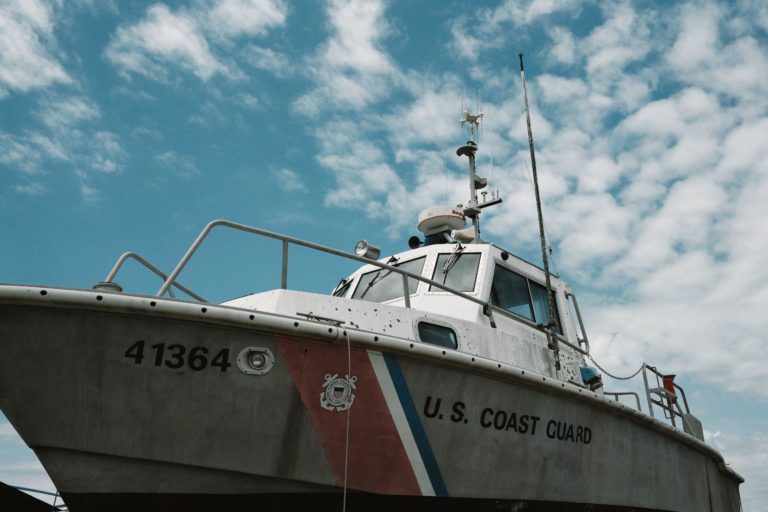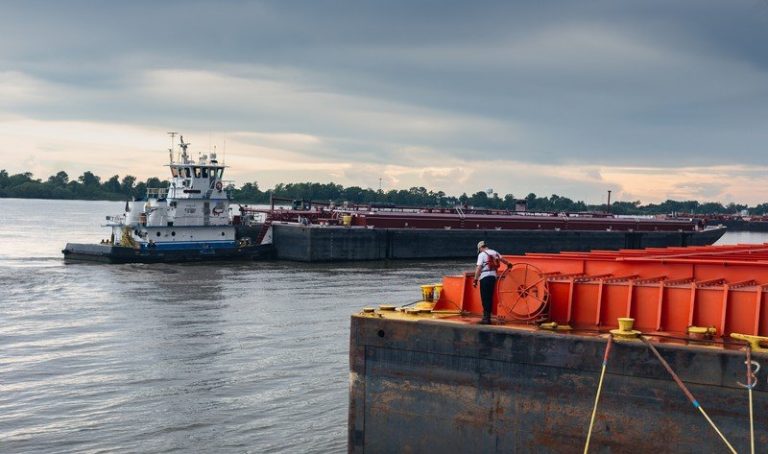

The Admiralty Extension Act, commonly referred to as the AEA, is a federal maritime statute that expands the reach of maritime admiralty law beyond navigable waters. Enacted by Congress in 1948, the Act allows certain injuries and property damage that occur on land to fall under maritime jurisdiction when they are caused by a vessel on navigable waters or by equipment or gear of that vessel.
Before the AEA, maritime law generally stopped at the shoreline. If a person or business was injured on land, even when the harm was directly caused by a vessel, maritime remedies were often unavailable. The Admiralty Extension Act corrected this gap by allowing certain maritime personal injury and property damage claims to proceed under admiralty jurisdiction when the harm is caused by vessel operations.
Today, the Admiralty Extension Act remains an important part of maritime law, particularly for workers and property owners affected by vessel-related operations that extend onto land.
Why Congress Enacted the Admiralty Extension Act
Before 1948, courts relied heavily on strict location-based rules when determining admiralty jurisdiction. If an injury occurred on land, maritime law often did not apply, even when the incident stemmed directly from vessel operations. This approach failed to account for how maritime commerce actually functions.
Loading, unloading, docking, and cargo handling are essential maritime activities. Many of these tasks take place on piers, wharves, terminals, and other fixed structures adjacent to navigable waters. Congress recognized that excluding these incidents from maritime law created gaps in protection and undermined uniformity.
The Admiralty Extension Act was enacted to address those gaps. By extending admiralty jurisdiction inland when a vessel or its equipment causes injury or damage, the Act ensures that maritime law applies consistently to maritime activity, regardless of where the final impact occurs.
How the AEA Helps Longshoremen and Dockworkers
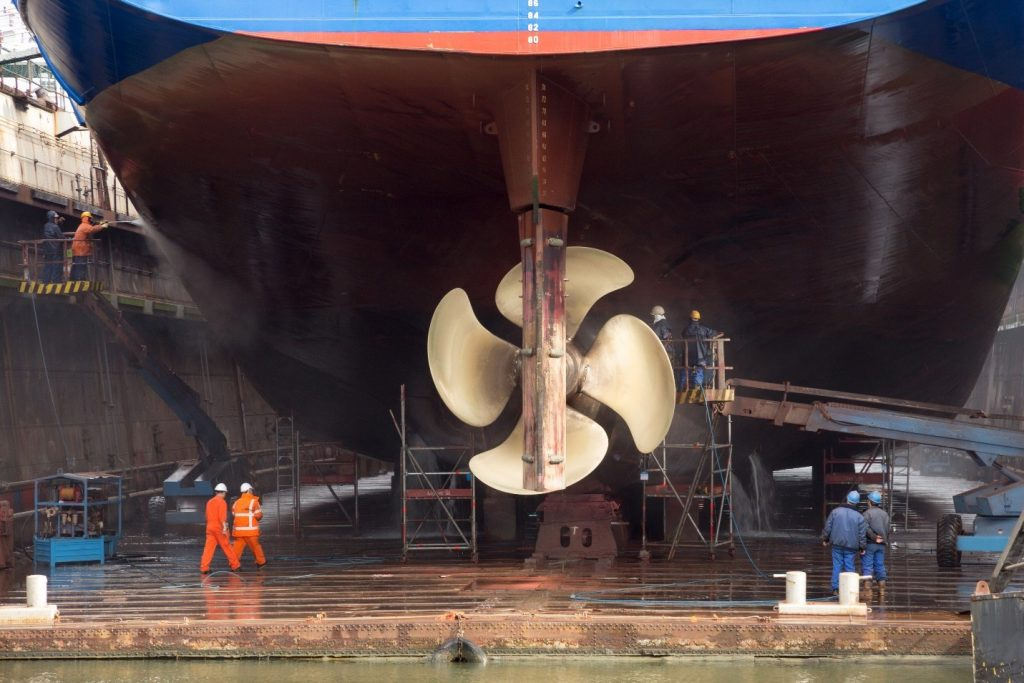
Longshoremen and dockworkers are among those most directly affected by the AEA. These workers perform duties essential to maritime commerce while often remaining physically on land. Their work regularly places them near vessels, heavy equipment, and cargo-handling operations.
The AEA allows these workers to pursue maritime claims when they are injured on land by a vessel or its equipment or gear. This protection is especially important in cases involving vessel negligence, equipment failure, or unsafe shipboard operations that affect shoreside workers.
In practice, the AEA can apply to injuries and losses involving:
- Longshoremen injured during loading or unloading operations
- Dockworkers harmed by ship-mounted cranes or cables
- Terminal workers struck by vessel equipment
- Property damage to cargo, forklifts, or dockside machinery
By extending maritime remedies inland, the AEA helps ensure that workers and businesses harmed by vessel-related activity are not left without recourse.
Vessel Appurtenances and Shoreside Accidents
A central concept under the Admiralty Extension Act is the idea of a vessel appurtenance. An appurtenance is equipment or gear that is part of the vessel and used in its operation. When an appurtenance causes injury or damage on land, the AEA may apply even though the injured person or damaged property was never on the water.
Courts often consider the following items to be vessel appurtenances when they are used in vessel operations:
- Anchors and anchor chains
- Ship-mounted cranes and winches
- Cables, lines, and rigging
- Gangways and ramps
If one of these components fails or is operated negligently and causes harm on land, admiralty jurisdiction may exist under the AEA. The analysis focuses on the relationship between the vessel and the harm, not merely the physical location of the accident.
How Admiralty Jurisdiction Is Determined Under the AEA
The Admiralty Extension Act applies when all of the following statutory requirements are satisfied:
- The injury or property damage occurred on land
- The harm was caused by a vessel on navigable waters or by an appurtenance of that vessel
If these requirements are met, admiralty jurisdiction may extend inland.
Generally, courts then evaluate whether the claim has a sufficient connection to maritime activity. This analysis considers whether the incident had the potential to disrupt maritime commerce and whether the activity giving rise to the injury bore a substantial relationship to traditional maritime operations.
Because this determination is highly fact-specific, similar incidents can lead to different jurisdictional outcomes.
Admiralty Courts and Maritime Jurisdiction
In the United States, there are no standalone admiralty courts. Instead, federal district courts have jurisdiction over admiralty and maritime cases. When a claim falls within admiralty jurisdiction, federal maritime law governs substantive issues such as liability, damages, and defenses.
Claims brought under the Admiralty Extension Act are typically filed in federal district court. In limited circumstances, state courts may hear maritime cases, but federal maritime law still controls key legal questions.
Admiralty jurisdiction affects more than venue. It can also influence the availability of certain damages, the application of comparative fault principles, and the procedural rules that govern the case. Admiralty law governs maritime activity tied to navigable waters, including domestic shipping and, in certain circumstances, matters involving international admiralty law, such as incidents connected to foreign-flagged vessels or cross-border maritime commerce.
Who the Admiralty Extension Act Does Not Cover
The Admiralty Extension Act does not apply to every injury or accident that occurs near a vessel. Its application depends on whether the injury or damage was caused by a vessel or its appurtenances and whether the jurisdictional requirements are satisfied.
The Act does not apply to seamen who are members of a vessel’s crew. Seamen who spend a substantial portion of their work time in service of a vessel while it is in navigation are generally covered under the Jones Act.
Other shoreside workers may be covered under the Longshore and Harbor Workers’ Compensation Act. The LHWCA provides workers’ compensation benefits to qualifying maritime workers injured while performing maritime employment, including loading, unloading, repairing, or building vessels. The LHWCA also extends inland to certain adjoining areas such as piers, terminals, and dry docks.
Depending on the facts, a maritime injury may fall under:
- The Admiralty Extension Act for shoreside injuries caused by a vessel
- The Longshore and Harbor Workers’ Compensation Act for qualifying maritime employment
- The Jones Act for seamen injured in the service of a vessel
Determining which statute applies requires careful analysis of the worker’s status, the nature of the work, and how the injury occurred.
Statutes of Limitation and Filing Deadlines
Maritime claims are subject to strict filing deadlines, but the applicable time limit depends on the nature of the claim and the identity of the defendant. Admiralty Extension Act claims are generally governed by federal maritime law, which provides a three-year statute of limitations for maritime personal injury and property damage claims.
In certain circumstances, shorter deadlines may apply. When an Admiralty Extension Act claim is asserted against the United States or a federal agency, the claim is subject to a mandatory administrative process and a two-year filing deadline under federal regulations. These claims must be properly presented to the appropriate agency before a civil lawsuit may be filed.
Other maritime statutes impose different timelines and procedures. Claims under the Longshore and Harbor Workers’ Compensation Act follow an administrative process with separate notice and filing requirements. Filing under the wrong statute or missing an applicable deadline can result in the loss of legal rights, regardless of the merits of the claim.
Identifying the applicable law early is critical to preserving a maritime claim.
Why Legal Guidance Matters in AEA Claims

Maritime law involves overlapping statutes, jurisdictional tests, and procedural rules that do not exist in most personal injury cases. Determining whether the Admiralty Extension Act applies is rarely straightforward, particularly when multiple maritime laws may be implicated.
Legal guidance helps ensure:
- The correct maritime statute is applied
- Claims are filed in the proper forum
- Filing deadlines are met
- Jurisdictional disputes are addressed early
Representation also plays a role during settlement negotiations. Vessel owners, employers, and insurers often challenge liability or undervalue damages. Without legal counsel, injured parties may accept settlements that fail to account for medical expenses, lost income, or long-term effects.
Legal counsel can also protect injured individuals during interviews and investigations. Statements made without guidance can later be used to shift fault or reduce compensation.
Frequently Asked Questions
What is the AEA?
The Admiralty Extension Act is a federal law that extends maritime jurisdiction to injuries and property damage that occur on land when they are caused by a vessel on navigable waters or its appurtenances.
What is admiralty law?
Admiralty law, also called maritime law, is the body of federal law that governs maritime commerce, vessel operations, and certain personal injury and property damage claims.
What is admiralty maritime jurisdiction?
Admiralty maritime jurisdiction refers to the authority of federal courts to hear cases involving maritime activity, including vessel operations and injuries or damage connected to navigable waters.
Who can file a claim under the Admiralty Extension Act?
Individuals or businesses may file a claim if they were injured or suffered property damage on land that was caused by a vessel on navigable waters or its appurtenances. Eligibility depends on the specific facts of the incident and how it relates to vessel operations.
How long do I have to file an AEA claim?
The filing deadline depends on the defendant. Most Admiralty Extension Act claims are subject to a three-year statute of limitations under federal maritime law. When a claim is brought against the United States or a federal agency, a two-year deadline and mandatory administrative process may apply.
Taking the Next Step After a Maritime Injury

If you were injured or suffered property damage while working on or near a vessel, the Admiralty Extension Act may affect your rights. Determining which maritime law applies depends on how the incident occurred and the role of the vessel in causing the harm.
The maritime law attorneys at Schechter, Shaffer & Harris can help evaluate your situation and explain your legal options. To discuss your case, call 1-800-836-5830.