Maritime workers are often required to sign employment contracts before stepping onto a vessel or offshore job site. Many of these agreements include arbitration clauses that can directly affect what happens after an injury. These provisions can change where a claim is filed, how it is handled, and what compensation may be available.
A clear understanding of maritime arbitration clauses helps injured workers recognize potential limits on their rights and make informed decisions after an incident.
What Is a Maritime Arbitration Clause?
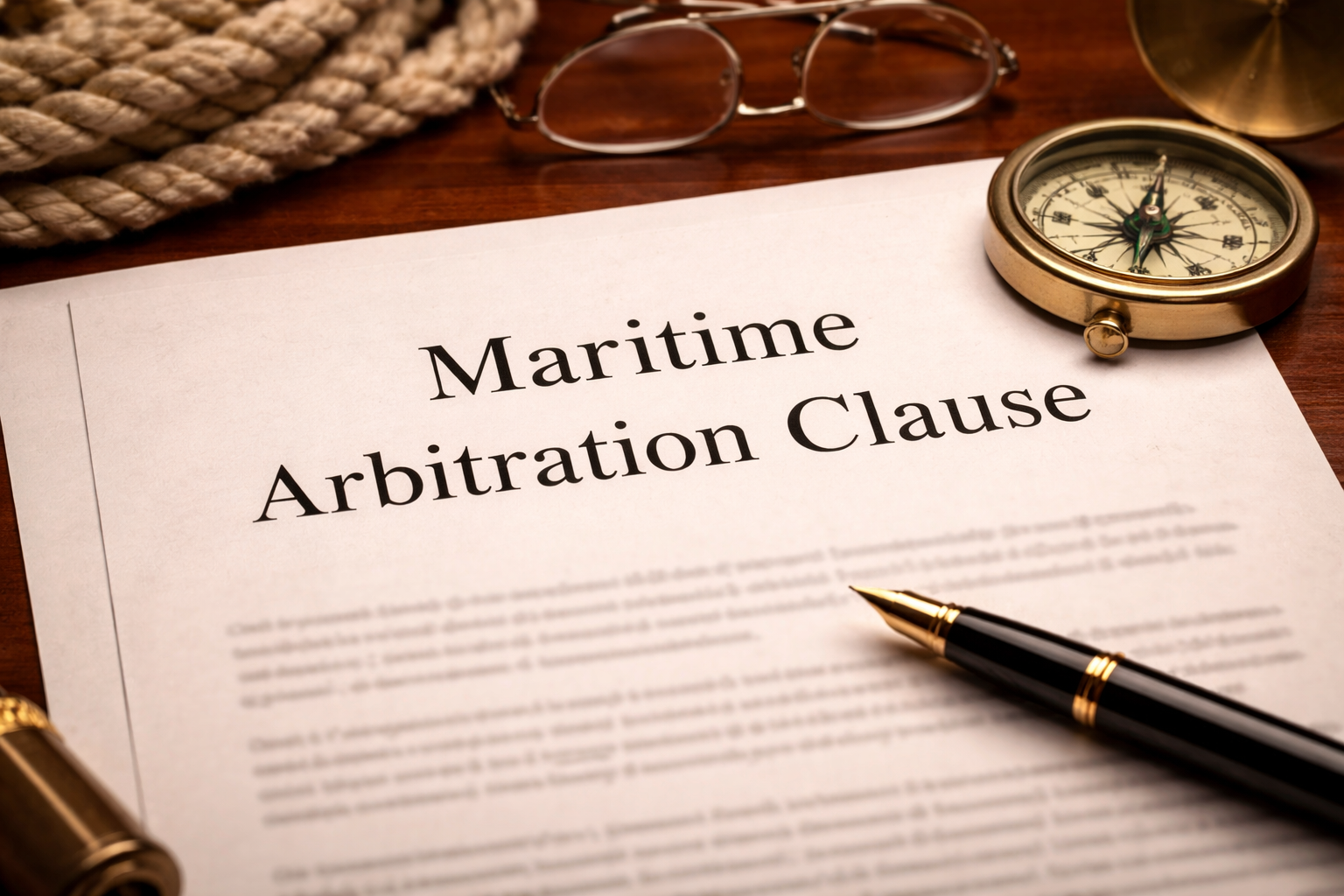
A maritime arbitration clause is a contract provision that requires disputes to be resolved through a private arbitration process instead of a court proceeding. These clauses are commonly included in seaman employment contracts, offshore service agreements, and international maritime work arrangements.
As a form of dispute resolution, arbitration involves a neutral third party who reviews the case and issues a binding decision. The process is typically less formal than court, and the rules are set by the agreement or selected arbitration body.
When Are Maritime Arbitration Clauses Enforceable?
Courts often enforce arbitration clauses under federal law, including the Federal Arbitration Act, as well as international agreements like the New York Convention. That said, the enforceability of arbitration clauses is not automatic.
Several factors can affect whether a clause will hold up:
- The worker must have agreed to the contract terms
- The clause must clearly apply to the dispute
- The provision cannot eliminate important legal protections
In some cases, maritime employers attempt to require arbitration in foreign countries or under foreign law. These provisions may still be enforced, though courts may review whether they unfairly limit a worker’s ability to pursue a claim.
How Arbitration Affects Maritime Injury Claims

Arbitration clauses can significantly change how an injury claim moves forward. Instead of filing a lawsuit in court, a worker may be required to bring the claim before an arbitrator.
This shift can impact the case in several ways:
- No jury trial: A judge or jury will not decide the case
- Limited discovery: Access to documents and evidence may be restricted
- Private proceedings: The case is handled outside the public court system
- Limited appeals: Challenging an unfavorable decision is difficult
These limitations can affect both the strength of the case and the potential recovery. In some situations, arbitration may move faster. In others, it can place the worker at a disadvantage, especially when the terms favor the employer.
Foreign Arbitration and Choice of Law Issues
Some maritime employment contracts require arbitration to take place in another country and apply foreign law. This can create additional challenges for injured workers.
Travel requirements, unfamiliar legal systems, and different damage rules can all affect the outcome of a claim. In certain situations, these provisions may reduce the compensation available compared to claims brought under United States maritime law.
Courts sometimes review these clauses to determine if they are enforceable, particularly when they conflict with protections provided under laws such as the Jones Act.
What Workers Should Look for in an Arbitration Clause
Before signing a maritime employment agreement, workers should review arbitration provisions closely. Key terms to watch include:
- The location of the arbitration
- The law that will apply to the dispute
- Any limits on damages or claims
- Who is responsible for arbitration costs
After an injury, reviewing the contract with a maritime accident attorney can help determine whether the clause applies and whether it can be challenged.
Get Guidance From an Experienced Maritime Injury Lawyer

If you were hurt in an injury at sea, your employment contract may affect your ability to file a claim. Maritime personal injury cases often involve arbitration clauses that can limit your options under maritime injury law.
The experienced maritime accident lawyers at Schechter, Shaffer & Harris can review your agreement, explain your rights, and help you pursue the compensation available under the law.
Frequently Asked Questions
What is a maritime arbitration clause in an employment contract?
It is a provision that requires maritime disputes, including injury claims, to be resolved through arbitration instead of a court lawsuit.
Can I still file a lawsuit if my contract has an arbitration clause?
In many cases, the clause may require arbitration instead of a lawsuit. Some clauses can be challenged depending on how they are written and applied.
Do arbitration clauses affect Jones Act claims?
They can. Some employers attempt to require arbitration for Jones Act claims, though courts may review whether those provisions are enforceable.
Do arbitration clauses affect maintenance and cure claims?
They can. Some employers include arbitration provisions that apply to maintenance and cure claims, though courts may examine whether those terms are valid and enforceable.
What happens if arbitration is required in another country?
You may be required to bring your claim in that location under foreign law. This can affect both the process and the compensation available.
Should I have a maritime injury attorney review my contract after an injury?
Yes. A legal review by an experienced maritime injury law firm can determine if the arbitration clause applies and whether it limits your rights or recovery.