
Maritime injury cases often involve technical questions that go far beyond everyday experience. A vessel collision, equipment failure, cargo operation, or offshore accident may require specialized knowledge to determine what happened and who was responsible. Judges and juries are not expected to understand marine engineering, navigation systems, or offshore operations without expert guidance.
Expert witnesses help explain technical evidence, reconstruct accidents, evaluate industry standards, and connect complex facts to the legal issues in a case. Their testimony can play an important role in establishing liability, explaining injuries, and supporting claims under the Jones Act and other maritime laws.
What Is an Expert Witness?
An expert witness is someone with specialized education, training, experience, or professional qualifications in a particular field. Unlike fact witnesses, who testify about what they personally observed, expert witnesses analyze evidence and offer professional opinions based on their expertise.
In maritime litigation, experts review accident reports, vessel records, medical evidence, electronic data, photographs, and other relevant materials before forming their opinions. Their role is not to decide the outcome of a case but to help judges and juries understand technical issues that require specialized knowledge.
Because maritime accidents can involve many different technical issues, attorneys often rely on experts from several disciplines to analyze the evidence and explain their findings.
Types of Expert Witnesses Used in Maritime Trials
The experts involved in a maritime case depend on the issues in dispute. Depending on the circumstances, a case may involve:
Marine Operations and Navigation Experts
These experts may have experience as ship captains, harbor pilots, marine surveyors, vessel inspectors, or offshore operations managers. They can explain marine operations, vessel navigation, crew responsibilities, safety regulations, and accepted industry standards. Their testimony can help establish whether a vessel owner or employer met accepted maritime practices.
Marine Engineering Experts
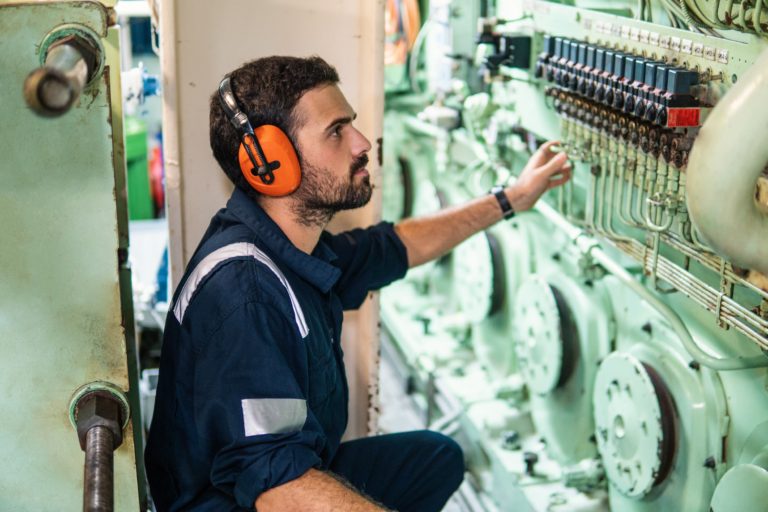
Marine engineers evaluate equipment failures, maintenance practices, propulsion systems, steering components, electrical systems, and other mechanical issues to determine whether they contributed to an accident. They may also identify improper repairs, maintenance deficiencies, or defective equipment.
Accident Reconstruction Experts
An accident expert witness reviews GPS information, radar data, electronic navigation records, photographs, damage patterns, and other evidence to determine how an accident occurred and what factors contributed to it. Their analysis can help establish the sequence of events and evaluate competing accounts of the incident.
Medical Experts
Medical experts explain the nature of a worker’s injuries, future treatment needs, permanent impairment, work restrictions, and whether the injuries are consistent with the reported accident. Their testimony may become particularly important when the defense disputes the cause or severity of an injury.
Vocational and Economic Experts
Vocational experts evaluate how permanent injuries affect a worker’s future employment opportunities, while economists calculate damages such as lost earning capacity, future wages, and employment benefits.
Weather and Oceanography Experts
An oceanography expert witness or meteorological expert may evaluate wind, waves, tides, currents, visibility, and storm activity when weather conditions are relevant to a maritime accident.
How Expert Witness Testimony Is Used at Trial

Expert witnesses often become involved long before a case reaches the courtroom. They review evidence, inspect vessels or equipment when necessary, prepare written reports, and work with attorneys to evaluate technical issues.
If the case proceeds to trial, experts explain their findings in language that judges and juries can understand. They may use photographs, diagrams, vessel data, maintenance records, accident reconstructions, or medical imaging to support their opinions.
The opposing side also has the opportunity to question an expert’s qualifications, methodology, and conclusions through cross-examination. Ultimately, the judge or jury decides how much weight to give each expert’s testimony after considering all of the evidence presented.
How Expert Witnesses Help Establish Liability
Expert testimony often helps connect technical evidence to both causation and legal responsibility. Depending on the facts of the case, an expert may conclude that:
- Equipment was poorly maintained
- Safety procedures were ignored
- Cargo was improperly secured
- Crew members received inadequate training
- Vessel operations violated accepted maritime practices
In Jones Act cases, expert testimony may help demonstrate how employer negligence contributed to a worker’s injuries. In other maritime claims, experts may explain how unsafe vessel conditions, equipment failures, or operational decisions contributed to an accident.
Expert Witnesses and Unseaworthiness Claims
Some maritime injury cases involve allegations that a vessel was unseaworthy. Experts may evaluate issues such as:
- Defective equipment
- Inadequate maintenance
- Missing safety equipment
- Unsafe working conditions
- Insufficient crew
Their findings can help explain how an unsafe condition contributed to a worker’s injuries and support an unseaworthiness claim.
Work With a Maritime Injury Lawyer Who Understands Complex Cases

Maritime injury cases often depend on technical evidence that requires specialized analysis. At Schechter, Shaffer & Harris, we work with qualified experts when their testimony can strengthen a client’s case.
If you were injured aboard a vessel or offshore, our experienced maritime attorneys can evaluate your legal options and help build a case supported by the available evidence.
FAQs
What does a maritime expert witness do?
A maritime expert witness reviews technical evidence, explains industry practices, and offers professional opinions about vessel operations, safety standards, accident causes, or equipment failures during maritime court cases.
When is a marine expert witness needed?
A marine expert witness may be used when a case involves complex vessel operations, engineering issues, navigation, maintenance failures, or disputed liability that requires specialized knowledge.
Can expert testimony help with Jones Act claims?
Yes. Expert testimony can support Jones Act claims by explaining how employer negligence, unsafe working conditions, or equipment failures contributed to a maritime worker’s injuries.
Should I hire an offshore accident lawyer after a serious maritime injury?
If you suffered offshore injuries, an experienced offshore accident lawyer can evaluate your claim, identify appropriate experts when needed, and help preserve evidence that may become important during litigation.