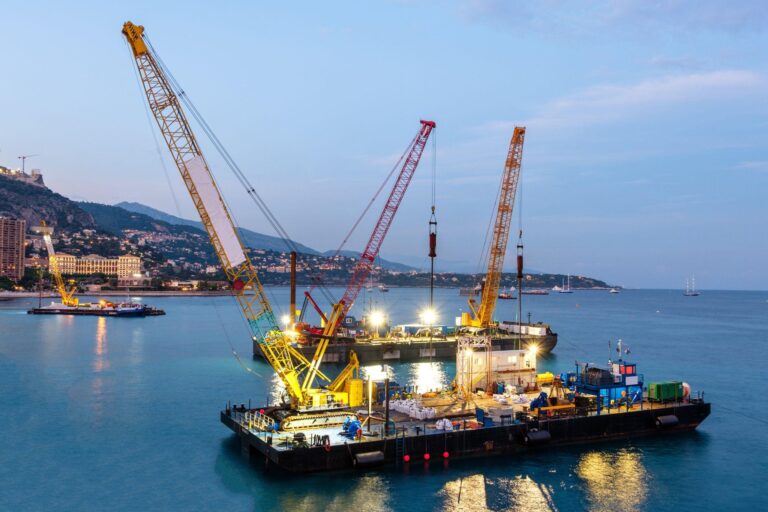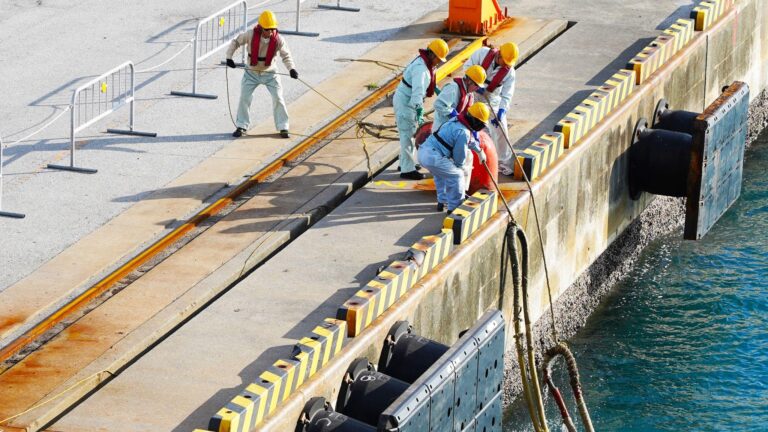
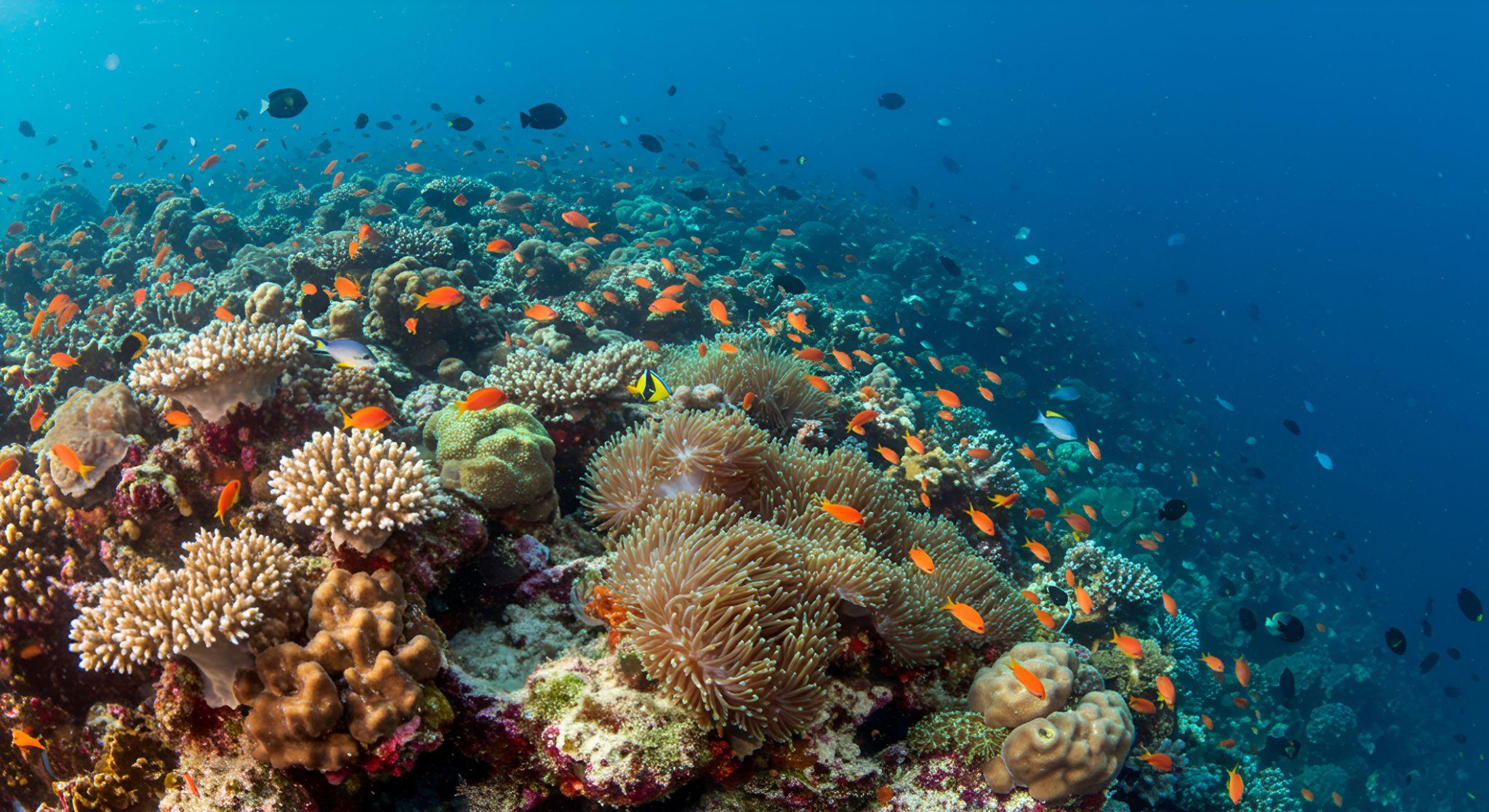
Offshore operations take place in complex marine environments where industrial activity and natural systems intersect. Marine biology—the study of living organisms within saltwater ecosystems—plays an important role in how offshore projects are planned, permitted, and executed.
By analyzing marine life, habitats, and seasonal patterns, offshore operators can better anticipate environmental constraints, support regulatory compliance, and reduce operational uncertainty. This growing reliance on ecological data highlights why marine biology is important to modern offshore operations.
Marine biology extends beyond academic research. Applied ecological data informs construction timing, monitoring requirements, and mitigation measures that support responsible offshore development.
How Marine Biology Shapes Offshore Operations
Marine biology can influence offshore work at multiple stages of a project, from early planning through execution.
Supporting Environmental Compliance
Environmental compliance is one of the primary reasons marine biology matters offshore, particularly as regulators and operators address ongoing offshore drilling environmental concerns. In the United States, federal laws such as the National Environmental Policy Act (NEPA), the Endangered Species Act, and the Marine Mammal Protection Act require environmental review for many offshore projects.
Marine biologists and environmental consultants conduct surveys to document protected species and sensitive habitats, including:
- Marine mammal populations and migration routes
- Coral reefs and vulnerable benthic habitats
- Fish spawning and nursery areas
- Seabird nesting and feeding zones
Federal agencies such as the National Oceanic and Atmospheric Administration (NOAA) and the Bureau of Ocean Energy Management (BOEM) rely on this data when evaluating impacts and setting permit conditions.
Accurate biological documentation helps operators meet regulatory requirements, reduce permitting disputes, and demonstrate that environmental risks have been addressed during project development.
Reducing Operational Risk
Marine ecological data helps identify conditions that may interfere with offshore work. Seasonal migrations, breeding cycles, and sensitive habitats can lead to mitigation requirements or designated work windows if not addressed during planning.
Common risk factors include:
- Marine mammal presence that may require monitoring or temporary shutdowns during high-noise activities
- Breeding or spawning seasons that influence construction timing
- Sensitive seafloor habitats that affect anchoring or pipeline placement
- Biological events such as harmful algal blooms that may affect water quality or worker safety
In some regions, these factors may also be influenced by broader environmental stressors such as ocean pollution or warming waters. Evaluating ecological conditions early allows project teams to incorporate mitigation strategies rather than react to unexpected restrictions.
Improving Project Planning and Scheduling
Biological studies are typically conducted before offshore construction begins. These baseline surveys help shape project design, mitigation plans, and timelines.
Ecological data may guide decisions such as:
- Scheduling activities outside known migration or spawning periods
- Routing vessels away from established wildlife corridors
- Selecting construction methods that reduce underwater noise
- Designing lighting or observation protocols to limit wildlife disturbance
This planning supports more predictable schedules and helps operators meet regulatory requirements.
Enhancing Offshore Safety
Marine environmental conditions can affect both equipment performance and worker safety. Biological factors may influence water clarity, fouling rates, and the presence of hazardous marine life.
Dense jellyfish aggregations have been known to interfere with water intake systems, while biofouling can reduce equipment efficiency if not properly managed. In certain regions, harmful algal blooms may pose respiratory or skin-irritation risks during offshore work.
Understanding these conditions helps crews prepare appropriate controls and protective measures. Biological expertise may also support emergency response planning, particularly when spills or releases—including oil pollution in the ocean—threaten nearby species and habitats.
Why Marine Biology Matters to Maritime Workers
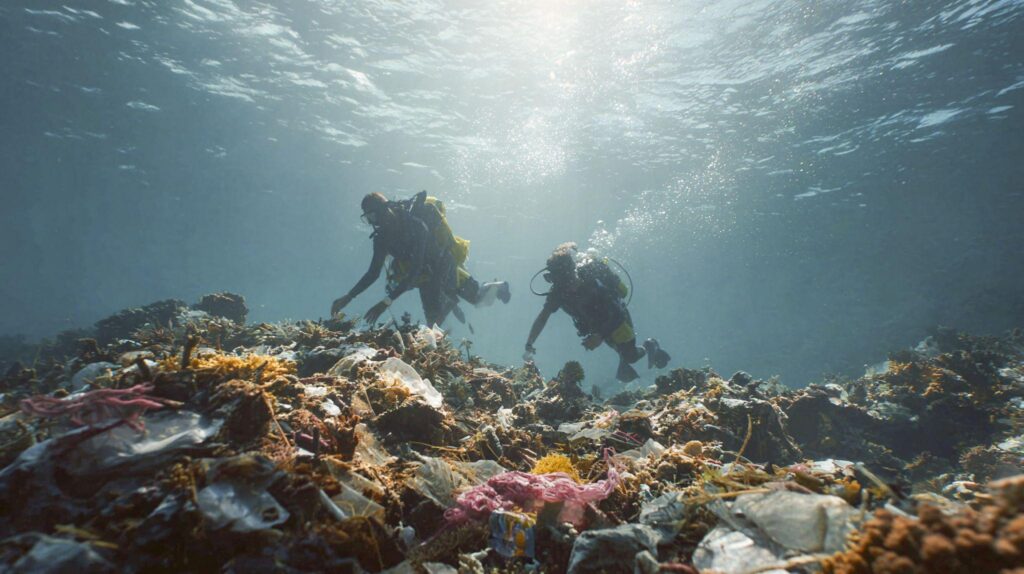
For maritime workers, marine biology directly affects daily working conditions. Wildlife protections can alter vessel schedules, restrict certain tasks, or require additional monitoring and equipment. Environmental conditions shaped by biological activity can also create hazards that crews must manage during offshore work.
When biological risks are not fully addressed, maritime workers may face:
- Rushed operations due to last-minute schedule changes
- Work in unfamiliar conditions created by environmental restrictions
- Increased exposure to biological or environmental hazards
- Added operational pressure during already hazardous offshore tasks
When these risks are identified early, offshore employers can sequence work more safely and reduce unexpected disruptions. In this way, marine biology influences both project planning and the risks maritime workers encounter offshore.
As offshore development expands, biological considerations are increasingly integrated into standard maritime operations, reinforcing the connection between environmental planning and offshore safety.
Get the Help You Need From an Experienced Maritime Injury Attorney

Offshore work exposes maritime workers to environmental and operational risks that are not always predictable. When injuries occur in offshore settings, understanding how those operations are regulated can matter. This is where a maritime injury law firm comes in.
The experienced maritime accident lawyers at Schechter, Shaffer & Harris represent maritime workers injured offshore and help them evaluate their legal options under maritime law.
Call 800-836-5830 to speak to a maritime personal injury lawyer about your case.