
Those who work and travel on ocean-going vessels may be surprised to discover that criminal activity is a serious problem at sea, just as it is on land. While many maritime crimes are brought to justice, others go unseen or unreported.
As you take to the sea for work or play, the maritime piracy lawyers at Schechter, Shaffer & Harris want you to be aware of the types of maritime crime and piracy you may encounter.
What Is Maritime Crime?
Maritime crime refers to illegal acts that occur on, under, or involving the sea. This includes piracy, smuggling, illegal dumping, human trafficking, and violations of international maritime laws. These crimes often happen in international waters and may involve multiple jurisdictions.
Here are 5 categories of crime to watch out for when you sail the high seas.
1. Piracy, Hijacking, and Kidnapping
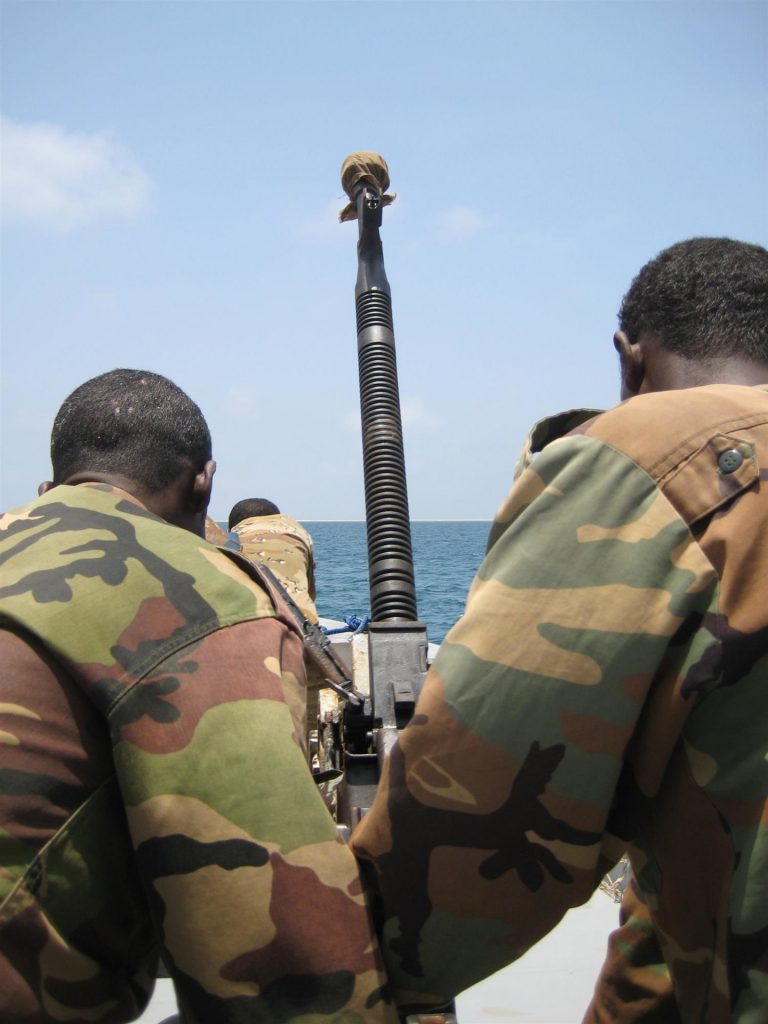
Modern pirates typically commit robbery by boarding ships through force, stealing vessels, or holding cargo and crews for ransom. These types of crimes often occur in international waters and can be violent, posing serious risks to crew members and passengers.
While piracy has evolved, it remains a serious global threat. Look at these maritime piracy statistics—in 2023, the International Maritime Bureau (IMB) reported 120 incidents of piracy and armed robbery globally—up from 115 the previous year. These included 105 vessels boarded, 4 hijacked, and 73 crew members taken hostage. Hotspots include the Gulf of Guinea, Southeast Asia, and the Gulf of Aden.1
Piracy not only disrupts shipping but endangers lives and can result in severe maritime injury. If you’re injured in such an incident, it’s critical to consult a maritime injury lawyer to understand your rights.
2. Smuggling (Transporting Illegal Cargo)

Ships often carry items that criminals want to keep “under the radar.” Illegal cargo includes:
- Exotic plants or endangered animals transported without proper permission
- Weapons, artillery, ammunition, and explosives shipped unlawfully
- Drugs exchanged at sea or moved through ports to avoid customs
- Individuals seeking unauthorized entry into another country
Smuggling is a common example of crimes committed in international waters, often exploiting the lack of jurisdictional oversight on the open ocean.
3. Human Trafficking
Human trafficking is a serious and distinct maritime crime involving the exploitation of individuals through force, fraud, or coercion. Victims may be transported across borders on ships for forced labor, sexual exploitation, or other forms of abuse—often under the guise of legitimate employment or migration.
Unlike smuggling, trafficking targets vulnerable individuals who are controlled and exploited against their will. Trafficking operations at sea often go undetected and can involve long periods of captivity aboard fishing vessels, cargo ships, or offshore platforms. Legal action may involve multiple jurisdictions, and survivors may be entitled to protection and compensation under maritime and human rights laws.
4. Illegal Fishing or Harvesting
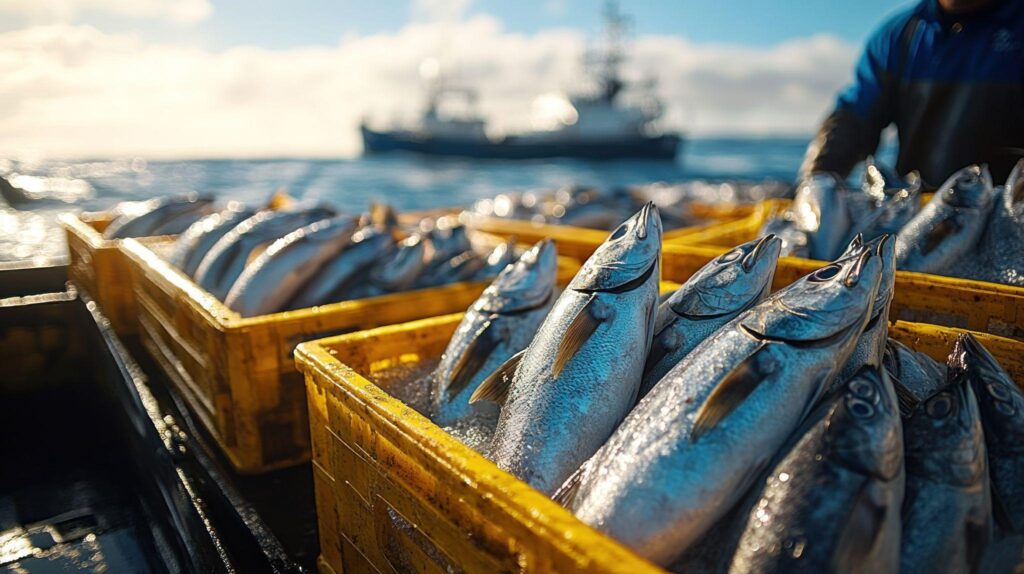
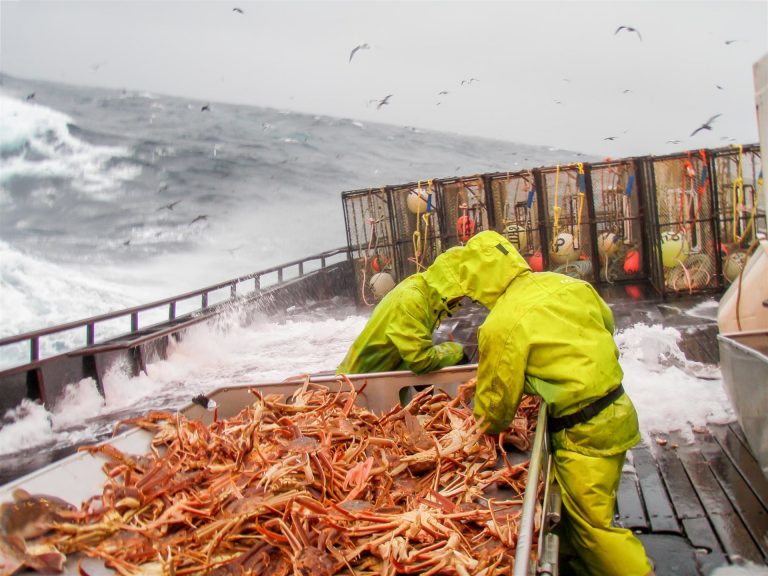
Certain areas are protected fisheries or national waters where whaling, lobster trapping, and fishing are limited or prohibited. Fishing or harvesting in forbidden waters or without a permit is a serious maritime crime that endangers ecosystems and violates international law. It is a key issue on the list of maritime crimes recognized by environmental agencies and maritime enforcement bodies alike.
5. Illegal Ocean Dumping
Ocean-going vessels that dump sewage, garbage, oil, or toxic chemicals at sea are violating strict national and international guidelines. Dumping is not only illegal—it devastates marine ecosystems and can harm fisheries and human health. Environmental crimes like these often go unnoticed but have long-term impacts on marine life and coastal communities.
FAQs
What are the most common maritime crimes?
The most common maritime crimes include piracy, smuggling (of drugs, weapons, and people), illegal dumping, and unlawful fishing. These crimes pose serious risks to both vessel crews and the environment.
Are maritime piracy and armed robbery at sea a global problem?
Yes. Regions such as the Gulf of Guinea, Southeast Asia, and the Gulf of Aden remain active piracy zones. Armed robbery and other pirate crimes continue to threaten global shipping and seafarer safety.
Can crimes committed in international waters be prosecuted?
Yes, though jurisdiction can be complex. Under international law, crimes like piracy are considered universally prosecutable. Other cases may fall under the flag state’s jurisdiction or involve international cooperation.
Who investigates crimes in international waters?
Depending on the type of crime, investigations may involve Interpol, national navies, the International Maritime Organization (IMO), or the flag state of the ship. Coordination is often required to bring offenders to justice.
What should I do if I suffer an injury at sea due to criminal activity?
If you’ve been hurt in a maritime incident or exposed to danger because of illegal activity, consult a maritime injury attorney immediately. Legal protections exist for seafarers and passengers under general maritime law and the Jones Act.
Stopping Marine Crime and Piracy

As a maritime worker or passenger, you should report crimes you witness to the proper authorities as soon as possible. Crime at sea is dangerous not only through direct threats like piracy, but also by transporting illegal weapons, chemicals, or animals without safeguards.
If you’ve been targeted for reporting maritime crime or injured aboard a vessel due to dangerous or illegal conditions, contact an experienced maritime injury attorney. You may be entitled to compensation, including maintenance and cure—a seaman’s right to medical care and living expenses until full recovery. In some cases, you may also have grounds for additional legal claims under the Jones Act or general maritime law.
Nationwide, you can call or contact us online for a free and confidential consultation and take action to protect your rights.
Sources:
- ICC International Maritime Bureau. New IMB reveals concerning rise in maritime piracy incidents in 2023.