Key Takeaways
- A foreign flag does not automatically block U.S. maritime claims. Courts look at real-world connections to the United States, including where the employer operates and where the employment relationship is centered.
- Different maritime laws may apply depending on your role and employer. Injured workers may have rights under the Jones Act, general maritime law, or the LHWCA, even when a vessel is foreign-owned.
- Employment contracts naming foreign law are not always enforceable. U.S. courts may disregard these clauses when they conflict with U.S. maritime policy or unfairly limit worker protections.
- Early legal review can affect both short-term benefits and long-term recovery. Acting quickly helps preserve evidence, secure medical care, and prevent employers from steering claims into unfavorable jurisdictions.
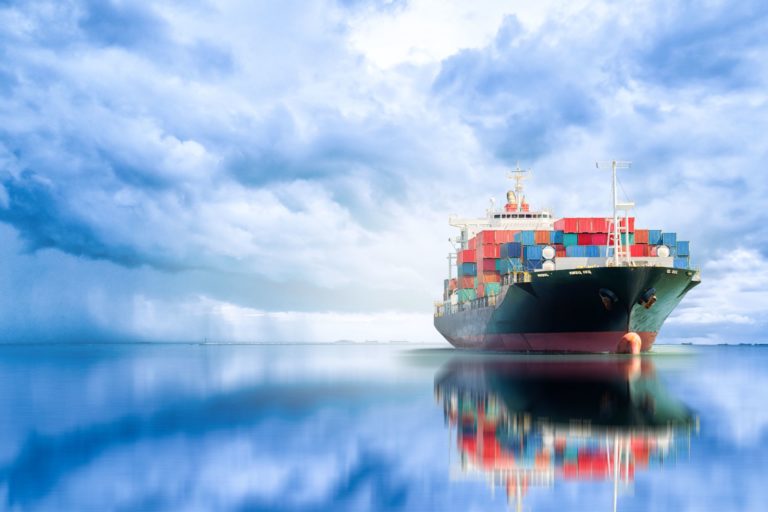
Getting hurt while working on a foreign vessel does not automatically mean you are barred from U.S. legal protection. In some situations, U.S. maritime law may still apply, even when a ship flies another country’s flag or the employer is based overseas.
Below, we explain when U.S. law may apply, what remedies may be available, and why jurisdiction plays such a critical role in foreign vessel injury claims.
Does U.S. Maritime Law Apply to Injuries on Foreign Vessels?
Yes, U.S. maritime law can apply to injuries on foreign vessels in certain circumstances.
Courts do not rely on a single factor to decide jurisdiction. Instead, they evaluate the overall relationship between the injury and the United States. Even when a vessel is foreign-flagged, U.S. law may apply if the totality of the circumstances shows strong operational ties to the United States.
Factors commonly considered include:
- Where the injury occurred
- The nationality of the injured worker
- The employer’s base of operations
- Where the employment contract was formed
- Whether the vessel regularly operates in U.S. waters
- The extent of the employer’s U.S. business activities
No one factor is decisive. Courts weigh all of them together to determine which country’s law governs the claim.
Key Point: Foreign ownership or registration alone does not eliminate potential U.S. maritime rights.
What Laws May Protect Injured Workers on Foreign Vessels?
Several maritime laws may provide remedies, depending on the worker’s status and the employer’s operational ties.
Jones Act Coverage for Foreign Vessel Injuries
The Jones Act may apply if the injured worker qualifies as a seaman and the employer’s real-world operations are closely tied to the United States. Courts weigh this factor alongside others rather than treating it as decisive.
When the Jones Act applies, an injured seaman may pursue compensation for:
- Employer negligence
- Unsafe working conditions
- Inadequate training or supervision
- Improper staffing or vessel management
A foreign flag does not automatically defeat a Jones Act claim when the employer’s base of operations is in the United States.
General Maritime Law Protections
When the Jones Act does not apply, general maritime law may still provide important protections for seamen.
These include:
- Unseaworthiness claims, which focus on unsafe vessel conditions
- Maintenance and cure, which covers medical care and basic living expenses while a seaman recovers
Maintenance and cure is generally owed regardless of fault and typically continues until the seaman reaches maximum medical cure, subject to limited defenses.
Longshore and Harbor Workers’ Compensation Act
Some maritime workers on foreign vessels are not classified as seamen. These workers may qualify for benefits under the Longshore and Harbor Workers’ Compensation Act (LHWCA) if the injury occurs on the navigable waters of the United States or in covered adjoining areas such as docks, piers, or terminals, even when the vessel is foreign-flagged.
The LHWCA does not apply automatically to injuries on the high seas or in foreign waters.
What If the Employment Contract Names Foreign Law?
A foreign choice-of-law clause does not automatically control the outcome of an injury claim.
U.S. courts may decline to enforce these provisions when they conflict with U.S. maritime policy or would unreasonably deprive workers of basic legal protections.
Courts may also refuse to enforce foreign forum clauses when pursuing a claim abroad would be impractical or fundamentally unfair under the circumstances.
What Damages Can Injured Workers Recover?
The type and amount of compensation available depend on which law applies, but potential damages may include:
- Medical expenses
- Lost wages
- Reduced future earning capacity
- Pain and suffering
- Disability-related losses
Maintenance and cure benefits may be owed early in the process while liability is still disputed.
Comparison of Common Maritime Remedies
| Legal Basis | Who It Covers | Primary Benefits |
|---|---|---|
| Jones Act | Seamen | Negligence-based damages against employer |
| Unseaworthiness | Seamen | Claims based on unsafe vessel conditions |
| Maintenance and Cure | Seamen | Medical care and basic living expenses |
| LHWCA | Non-seamen | Statutory wage and medical benefits |
Why Early Legal Guidance Matters in Foreign Vessel Claims

Timing plays a major role in maritime injury cases involving foreign vessels.
Ships move quickly between jurisdictions, and evidence can disappear once a vessel leaves port. Employers may also push injured workers toward foreign systems that limit compensation or restrict access to medical care.
Early legal review helps:
- Preserve witness statements and records
- Identify the most favorable jurisdiction
- Avoid missed filing deadlines
- Protect access to ongoing medical treatment
Key Point: Delay can reduce both leverage and available remedies.
How the Maritime Injury Lawyers at Schechter, Shaffer & Harris Can Help

Schechter, Shaffer & Harris represents offshore workers injured on foreign vessels where jurisdiction and applicable law are disputed.
We help workers:
- Determine whether U.S. maritime law applies
- Push back against unfair foreign law provisions
- Pursue full compensation under the strongest available legal framework
The experienced maritime injury lawyers at Schechter, Shaffer & Harris have recovered over a billion dollars for thousands of maritime accident victims. Contact our legal team today for a free case evaluation.
Frequently Asked Questions
Can a non-U.S. citizen bring a maritime injury claim in the United States?
Yes. Citizenship alone does not determine whether U.S. maritime law applies. Courts focus on the employer’s operations, the vessel’s activities, and other jurisdictional factors tied to the injury.
Does vessel registration decide which law applies after a ship accident or offshore accident?
No. Vessel registration is only one factor. In maritime personal injury cases, courts examine the full operational picture, including where the employer is based and where the work is centered.
Can I receive medical care while my claim is ongoing after offshore injuries?
In many cases, yes. Maintenance and cure benefits may apply immediately for qualifying seamen injured in a maritime or offshore rig accident, even while liability is disputed.
What if my employer says U.S. law does not apply to my maritime rights?
Employer statements are not determinative. An offshore injury lawyer can evaluate whether U.S. courts may apply admiralty law despite a foreign vessel or contract language.
Do I need a maritime accident attorney if my injury happened offshore?
Claims involving offshore injuries or ship accidents often involve multiple legal systems. A maritime accident attorney can assess jurisdiction, applicable law, and available remedies before critical deadlines pass.