Maritime work carries a level of risk that exceeds many land-based industries. Offshore rigs, cargo vessels, tugboats, and other maritime environments expose workers to heavy equipment, unstable surfaces, and hazardous conditions. While these jobs often provide strong earning potential, a serious injury can disrupt a worker’s ability to earn a living and create long-term uncertainty.
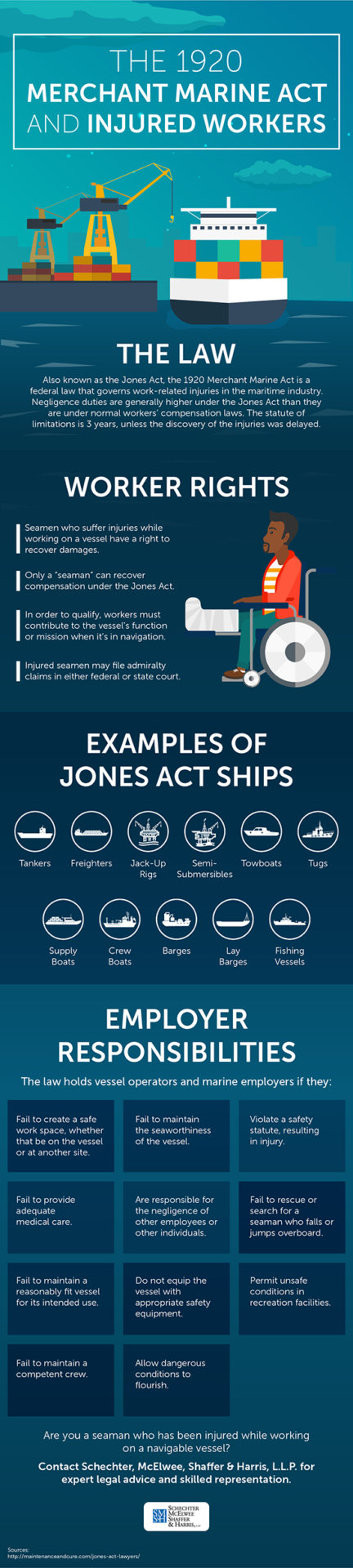
Maritime law provides specific protections for injured workers. Federal laws such as the Jones Act and general maritime law establish rights that differ from standard workers’ compensation systems. These legal frameworks determine how claims are handled and what compensation may be available after an incident.
Common Causes of Maritime Accidents
Maritime accidents occur for a wide range of reasons, many of which involve preventable safety failures. While some risks are inherent to the job, others stem from negligence or inadequate oversight.
Frequent causes of maritime accidents include:
- Slips, trips, and falls on wet or uneven surfaces
- Improper or incomplete training for assigned duties
- Lack of appropriate safety equipment or personal protective gear
- Use of incorrect or unsafe tools for specific tasks
- Mechanical or equipment failures
- Poor maintenance of vessels or critical systems
- Unsafe working conditions due to lack of facility upkeep
- Repetitive motion strain from physically demanding tasks
- Explosions caused by fuel, gas, or pressure buildup
- Exposure to hazardous chemicals or toxic substances
- Fires onboard vessels or offshore structures
- Falls overboard leading to drowning incidents
These hazards often overlap. For example, a lack of maintenance may contribute to equipment failure, which in turn can lead to fires or serious injuries. Identifying the root cause of an accident plays a central role in determining liability.
Common Maritime Injuries
The injuries that result from maritime accidents range from minor to catastrophic. The severity often depends on the type of incident, the equipment involved, and the conditions at the time.
Common maritime injuries include:
- Burns from fires, explosions, or chemical exposure
- Broken bones caused by falls or equipment impact
- Amputations or loss of limbs in machinery accidents
- Neck, back, and shoulder injuries from heavy lifting or sudden trauma
- Traumatic brain injuries from blows to the head
- Spinal cord injuries that may result in partial or total paralysis
- Fatal injuries in severe accidents
Some workers recover and return to duty after treatment and rehabilitation. Others face permanent limitations that prevent them from continuing in maritime roles. In those situations, financial recovery becomes even more important.
Legal Protections Under Maritime Law

Maritime workers are not covered by traditional state workers’ compensation systems in most cases. Instead, they are protected by federal maritime laws that provide different forms of relief.
The Jones Act allows qualifying seamen to pursue claims against their employers when negligence contributes to a maritime injury. This includes:
- Unsafe working conditions
- Failure to provide proper equipment
- Inadequate training
A successful claim may include:
- Compensation for lost wages
- Medical expenses
- Pain and suffering
In addition to the Jones Act, injured maritime workers may be entitled to maintenance and cure. Maintenance refers to a seaman’s daily living expenses during their recovery. Cure covers their necessary medical treatment until their maximum medical improvement is reached. These maritime benefits apply regardless of who is at fault, as long as the injury occurred in service of the vessel.
Other doctrines, such as unseaworthiness, may also apply when a vessel or its equipment is not reasonably fit for its intended use. These claims can extend liability beyond direct employer negligence.
Steps to Take After a Maritime Injury
The actions taken immediately after an injury can affect both recovery and any future legal claim. Workers should prioritize safety and documentation.
Important steps include:
- Report the injury to a supervisor as soon as possible
- Seek medical attention and follow all treatment recommendations
- Request a copy of any incident or accident report
- Document the scene with photographs if possible
- Gather names and contact information of witnesses
- Keep records of medical visits, expenses, and missed work
Accurate documentation strengthens a claim and helps establish how the injury occurred. Delays in reporting or gaps in medical treatment can create challenges when seeking compensation.
The Role of a Maritime Accident Lawyer
Legal representation plays a significant role in maritime injury cases. Maritime law is complex, and employers or insurers may attempt to limit payouts or deny responsibility.
An experienced maritime injury attorney can:
- Evaluate the facts of the case and identify applicable laws
- Determine eligibility under the Jones Act or other doctrines
- Handle communication with employers and insurance companies
- Collect evidence and consult with experts when needed
- Calculate the full extent of damages, including future losses
- Negotiate a settlement or pursue litigation if necessary
Employers may suggest that legal counsel is unnecessary. In practice, having representation helps ensure that claims are handled correctly and that injured workers receive fair compensation.
Speak With a Maritime Injury Lawyer Today

If you sustained an injury at sea, taking prompt action can help protect your rights and your ability to recover compensation. Maritime personal injury cases involve specific legal standards that differ from other types of claims, and early guidance can make a meaningful difference.
Schechter, Shaffer & Harris assists injured maritime workers in navigating maritime injury law and pursuing the compensation they may be entitled to. Contact our team to discuss your situation and learn about your legal options.
FAQs
What are the main maritime injury claim types?
Maritime injury claim types include Jones Act claims, maintenance and cure, and unseaworthiness claims.
- The Jones Act allows injured seamen to seek compensation when employer negligence contributed to the injury.
- Maintenance and cure covers living expenses and medical care during recovery, regardless of fault.
- Unseaworthiness claims apply when a vessel or its equipment is not fit for its intended use.
The claims available depend on the circumstances of the incident and the worker’s role.
What is general maritime law negligence?
General maritime law negligence is a legal claim that arises when a party fails to exercise reasonable care under the circumstances in a maritime setting, and that failure causes injury. These claims often apply to third parties, vessel owners, or situations that fall outside the Jones Act.
To recover damages, the injured party must prove that a duty of care existed, the duty was breached, and the breach was a proximate cause of the injury. Recoverable damages may include medical expenses, lost income, and other related losses.